
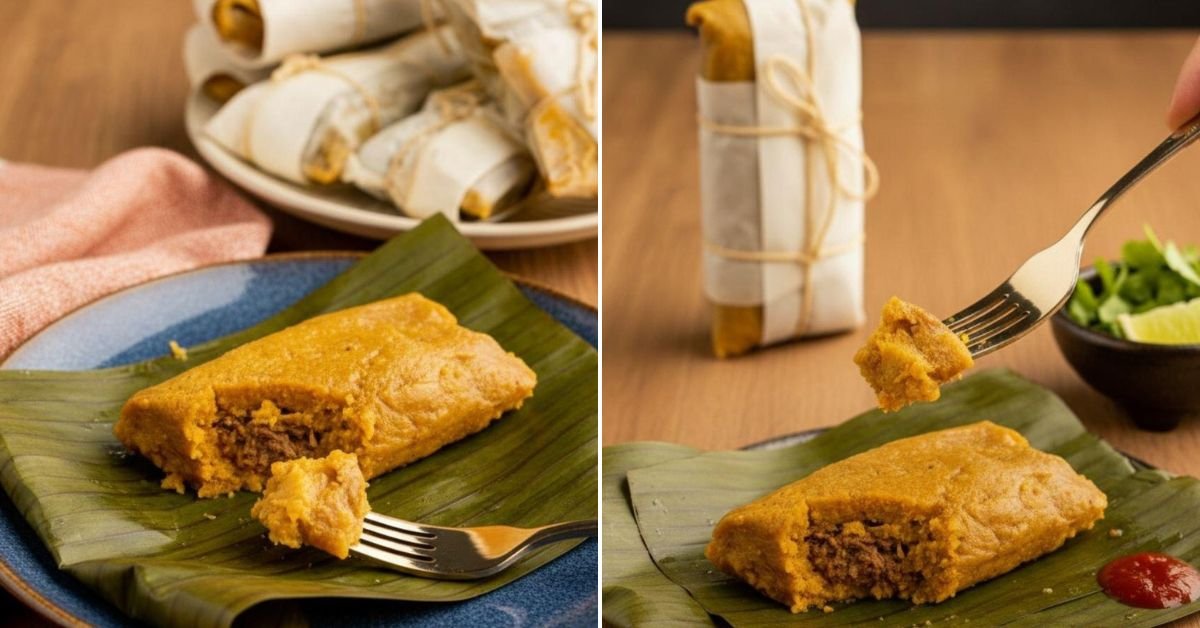
Welcome to Patricia Universe! I’m Patricia, and I’m so excited to share one of my family’s most cherished holiday traditions with you. This guide is all about easy recipes that deliver on flavor and tradition. Making authentic Puerto Rican Pasteles might seem like a big project, but I’ve broken it down into simple steps so you can create this festive dish right in your own kitchen. Trust me, the incredible aroma and the smiles around your table will make every minute worth it. Let’s get started on this beautiful culinary journey together.

Table of Contents
- Why Pasteles Are So Special
- Gathering Your Ingredients
- Why This Is an Easy Recipe
- A Labor of Love (and Patience)
- Step-by-Step Instructions
- Tips for Perfect Pasteles
- More Easy Family Recipes
- Recipe: Traditional Puerto Rican Pasteles
- Notes & Tips
Key Takeaways
- Pasteles are a cornerstone of Puerto Rican holiday celebrations, symbolizing family and togetherness.
- While the process takes time, this recipe simplifies traditional techniques into an approachable, easy recipe.
- The key components are a flavorful pork filling and a vibrant masa (dough) made from green bananas and root vegetables.
- Proper assembly and steaming are crucial for achieving the perfect texture.
- Pasteles freeze beautifully, making them perfect for preparing ahead of a family dinner or holiday party.
Why Pasteles Are So Special
More than just a meal, Puerto Rican Pasteles are a vibrant expression of culture and family. They are the centerpiece of Nochebuena (Christmas Eve) and other major celebrations. The process of making them—often involving multiple generations in the kitchen—is as important as eating them. The unique combination of the earthy masa and the rich, seasoned pork filling creates a taste and texture unlike anything else. Serving these at your table is a wonderful way to honor tradition and create new memories.
Gathering Your Ingredients
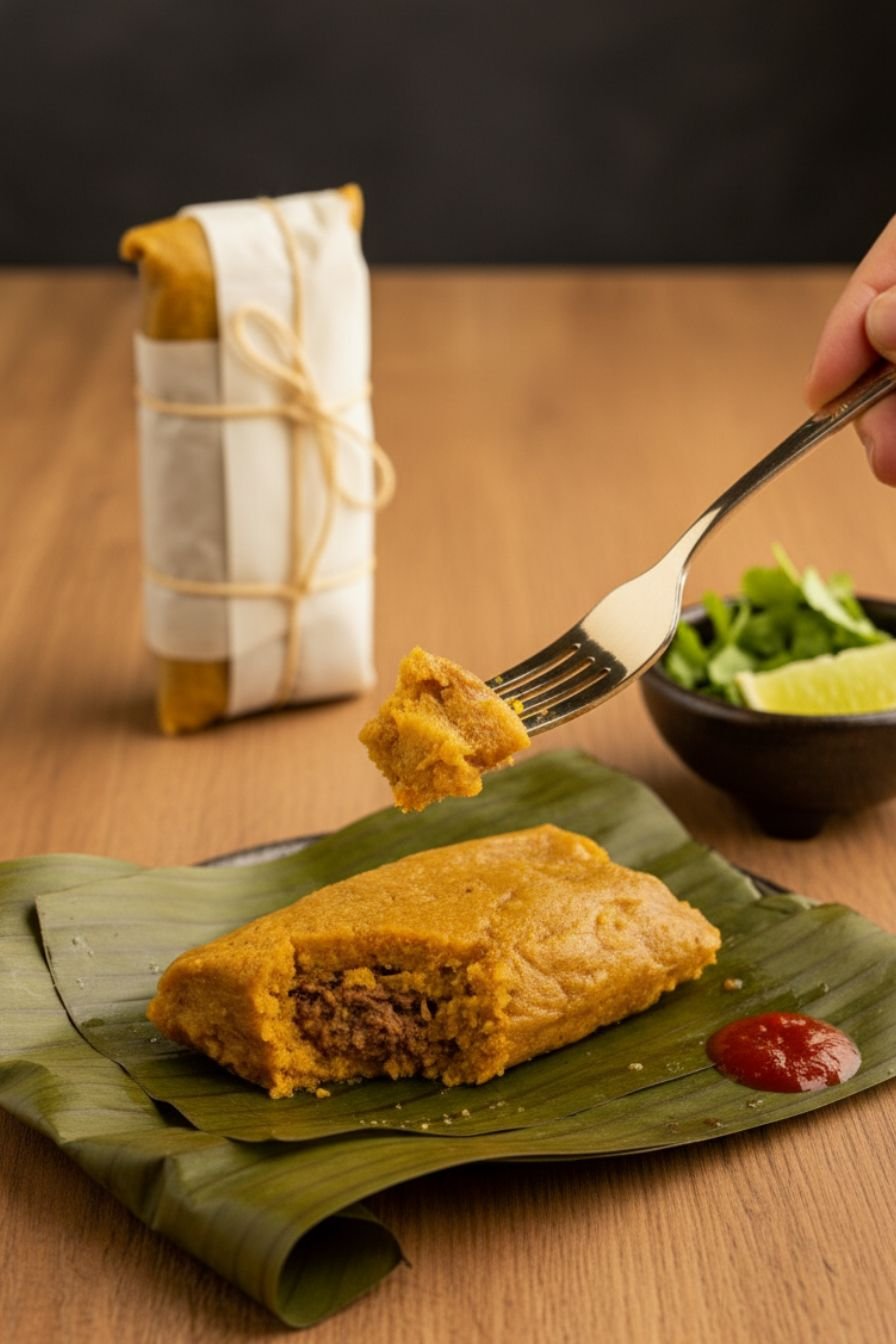
The magic of pasteles starts with fresh, authentic ingredients. A visit to a Latin market will be your best friend for finding key items like green bananas, yautia (taro root), achiote oil, and sofrito. Don’t be intimidated by the list; each component plays a specific role in building the complex flavor profile. The achiote oil gives the masa its signature golden-orange hue, while the sofrito is the flavor foundation for the filling. Sourcing these ingredients is the first step in creating a truly authentic dish.

Why This Is an Easy Recipe
I know “easy” might not be the first word that comes to mind when you think of pasteles, but I’ve designed this guide to prove otherwise. This isn’t about cutting corners on flavor; it’s about smart preparation and breaking down the process into clear, manageable stages. We’ll tackle the filling one day and the masa the next, turning a marathon cooking session into a relaxed, enjoyable project. By following my easy recipe steps, you’ll gain the confidence to master this classic and discover how easy recipes can still be deeply impressive. You’ll be amazed at how these easy recipes for dinner can become the highlight of your holiday table.

A Labor of Love (and Patience)
The assembly of pasteles is a ritual. Spreading the masa, placing the filling, and carefully folding the parchment requires a bit of patience, but it’s also incredibly rewarding. I recommend putting on some music, pouring a drink, and embracing the process. It’s a fantastic activity to do with family or friends. Remember, your first few might not be picture-perfect, and that’s perfectly okay! Each one will be delicious, and your technique will improve with each packet you make. This hands-on approach is what turns cooking into a cherished experience.
Step-by-Step Instructions
My recipe card below provides the full, detailed instructions. The key is to read through all the steps before you begin. The filling needs time to cool before assembly, and the grated vegetables for the masa are best used immediately to prevent browning. I’ve included visual cues, like the masa’s consistency and the color of the cooked pork, to guide you. Following these steps in order is the secret to a stress-free cooking day and a flawless final product that will have everyone asking for seconds.
Tips for Perfect Pasteles
A few pro-tips can elevate your pasteles from good to extraordinary. First, wear gloves when handling the green bananas and yautia to avoid stains. Second, ensure your filling is completely cool before assembling; a warm filling will make the masa soggy. Third, don’t skimp on the steaming time—a full hour is essential for the masa to set properly. Finally, letting them rest for a few minutes after cooking allows the flavors to settle and makes them easier to unwrap. These little details make a big difference.
More Easy Family Recipes
If you loved diving into this tradition, I invite you to explore Patricia Universe for more culinary adventures. I specialize in transforming beloved classics and international dishes into approachable, reliable quick and easy recipes. From comforting soups to festive desserts, my goal is to help you create memorable meals without the stress. Be sure to check out my collection of easy recipes for dinner that are perfect for busy weeknights and special occasions alike.
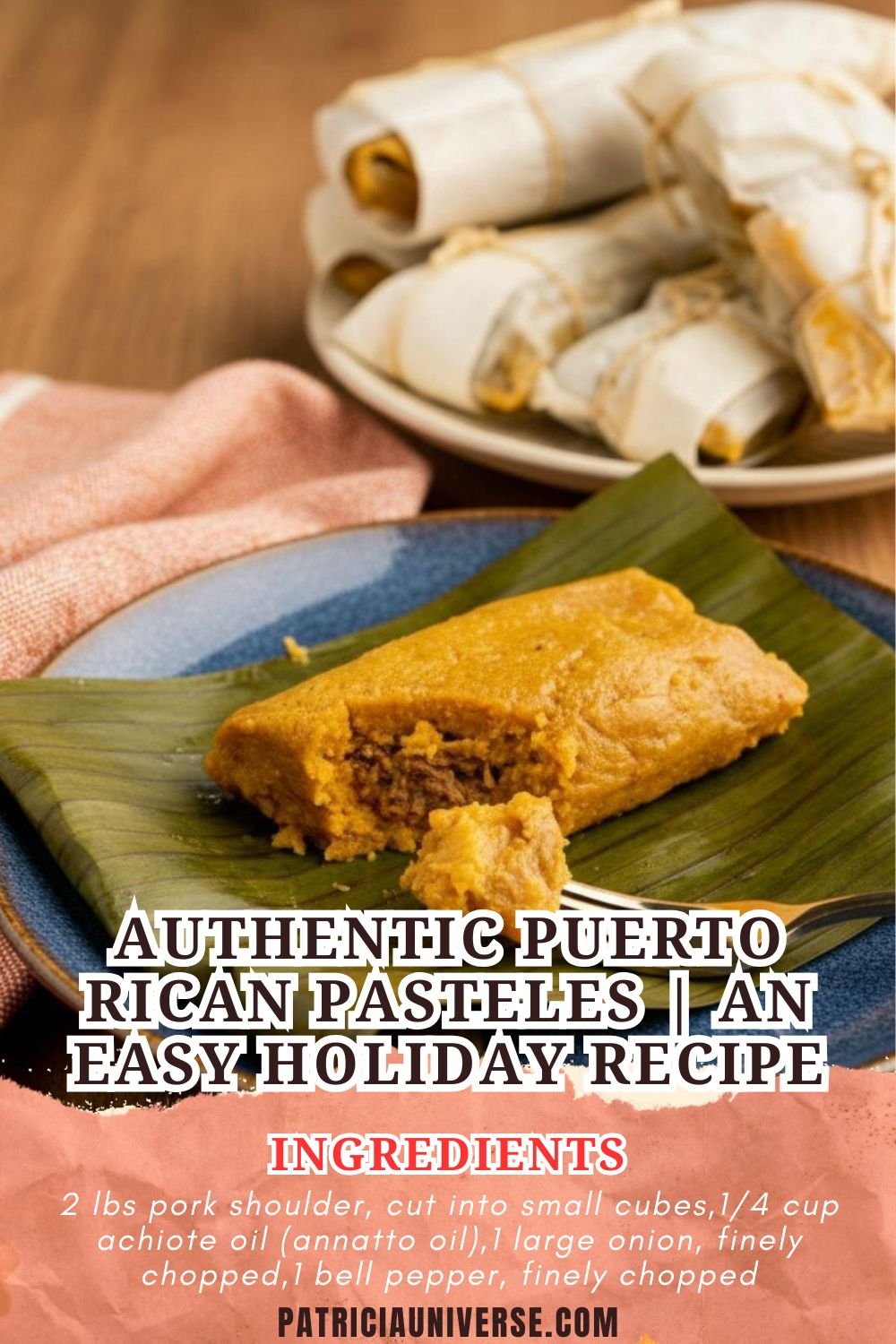
Ingredients
For the Meat Filling
- 2 lbs pork shoulder, cut into small cubes
- 1/4 cup achiote oil (annatto oil)
- 1 large onion, finely chopped
- 1 bell pepper, finely chopped
- 4 cloves garlic, minced
- 1 cup tomato sauce
- 1/2 cup sofrito
- 1/4 cup pitted green olives
- 1 tbsp capers
- 2 tsp dried oregano
- 1 tsp ground cumin
- Salt and black pepper to taste
- 1/2 cup water or chicken broth
For the Masa (Dough)
- 4 lbs green bananas (about 8-10)
- 1 lb yautia (taro root)
- 1/2 lb pumpkin (calabaza), peeled and cut into chunks
- 1 cup achiote oil (annatto oil)
- 1 cup milk or broth
- 2 tsp salt
For Assembly
- Parchment paper cut into 12-inch squares
- Butcher’s twine or kitchen string
- Banana leaves, cut into pieces (optional, for authentic flavor)
Instructions
Prepare the Meat Filling
- In a large pot or Dutch oven, heat the achiote oil over medium heat.
- Add the chopped onion, bell pepper, and garlic. Sauté until softened, about 5 minutes.
- Add the cubed pork and brown on all sides.
- Stir in the tomato sauce, sofrito, olives, capers, oregano, cumin, salt, and pepper.
- Pour in the water or broth, bring to a simmer, then reduce heat to low.
- Cover and cook for 1 to 1.5 hours, until the pork is tender and the sauce has thickened. Let cool completely.
Make the Masa (Dough)
- Peel the green bananas and yautia. Wear gloves as they can stain your hands.
- Grate the bananas, yautia, and pumpkin using the fine side of a grater or a food processor.
- In a large bowl, combine the grated mixture with achiote oil, milk or broth, and salt. Mix thoroughly until you have a smooth, slightly sticky dough. The color should be a vibrant orange from the achiote.
Assemble the Pasteles
- Place a square of parchment paper on your work surface. If using, place a piece of banana leaf on top of the parchment.
- Spread about 1/2 cup of the masa dough into a rectangle in the center of the paper.
- Place 2-3 tablespoons of the cooled meat filling in the center of the dough rectangle.
- Fold the parchment paper in half over the filling, enclosing the masa around the meat. Fold the edges of the paper to create a tight, rectangular packet.
- Tie the packet securely with butcher’s twine, creating a handle for easy removal after cooking.
- Repeat with the remaining dough and filling.
Cook the Pasteles
- Bring a large pot of salted water to a boil (you can use a tamalera or a deep stockpot).
- Carefully lower the pasteles into the boiling water. They should be fully submerged.
- Reduce heat to a steady simmer, cover, and cook for 1 hour.
- Carefully remove one pastel and unwrap to check for doneness. The masa should be firm and fully cooked.
- Once done, remove all pasteles from the water and let them rest for 5 minutes before unwrapping and serving.



Leave a Comment